

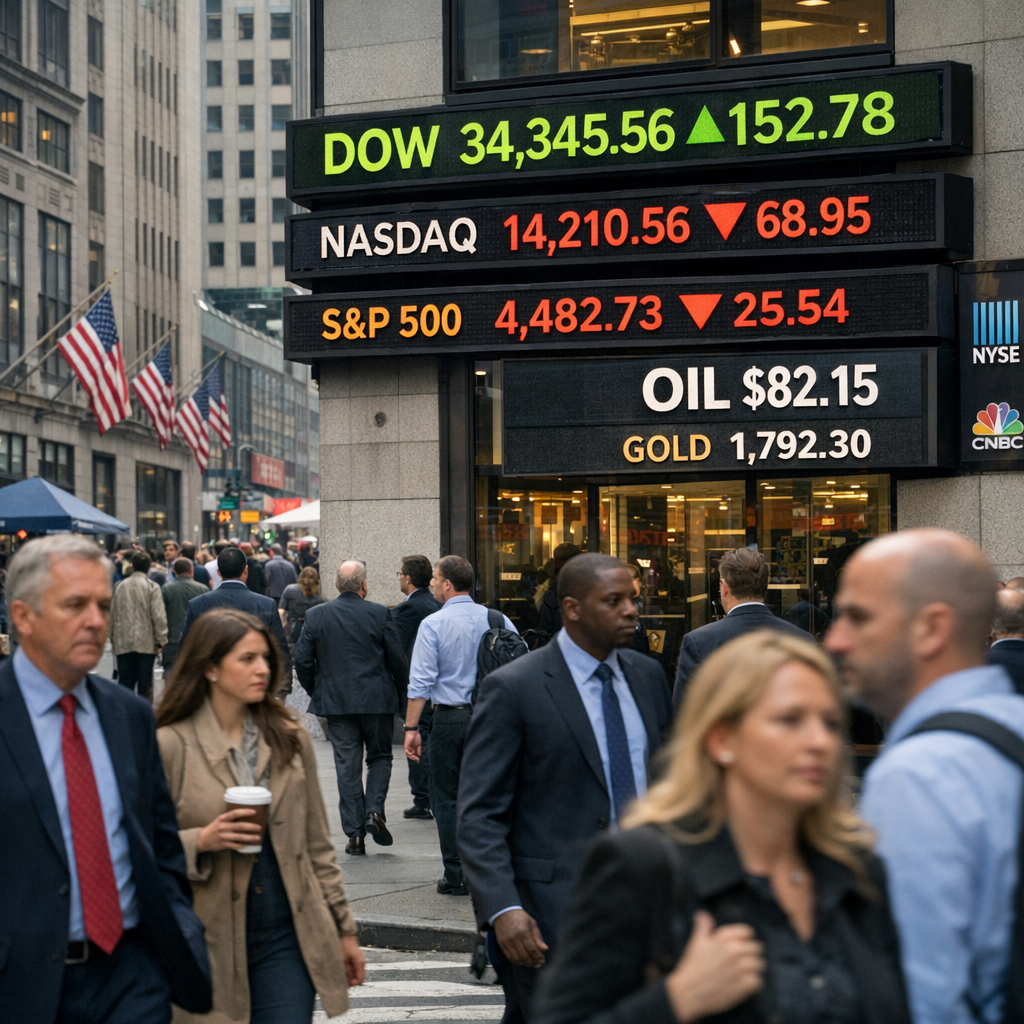
The U.S. economy has recently exhibited a mix of resilience and challenges, reflecting a complex interplay of factors influencing growth, employment, and inflation.
Economic Growth and Tariff Impacts
In the second quarter of 2025, the U.S. gross domestic product (GDP) expanded at a 3% annualized rate, rebounding from a contraction in the first quarter. This growth was largely driven by a surge in consumer spending, even as new tariffs were implemented. However, the long-term effects of these tariffs remain a subject of ongoing analysis.
Labor Market Dynamics
The labor market continues to add jobs, but long-term unemployment is on the rise. Certain sectors, such as agriculture, construction, and hospitality, have experienced disruptions due to increased immigration enforcement activities, leading to labor shortages and operational challenges.
Inflation and Federal Reserve Policies
Inflation rates have declined from previous peaks but remain persistent. The Federal Reserve has signaled a positive outlook for the 2026 economy, anticipating strong productivity and ongoing consumer spending. However, the Fed may not implement further rate cuts, balancing the need to control inflation with supporting economic growth.
Political Developments and Economic Policies
President Donald Trump has introduced several populist economic proposals, including measures to restrict institutional investors from purchasing single-family homes and capping credit card interest rates. These initiatives have sparked debates within the Republican Party and among economic analysts regarding their potential impact on the economy.
As the economic landscape evolves, staying informed about these developments is crucial for individuals and businesses alike.