

By Michael Nguyen
Across the country, shifts in economic performance, legal decisions from the Supreme Court, and escalating political tensions are laying the groundwork for long-term change. Here’s an overview of national developments that will matter for months—if not longer.
Economic Growth Slows While Inflation Persists
The U.S. economy grew by about 1.5% in the second quarter, down from earlier expectations and trailing the more robust pace recorded in the first quarter. The cooler growth reflects a combination of weakening government spending and mixed signals in business investment.
Inflation remains a sticking point: while headline inflation has eased slightly in some sectors, core prices—excluding volatile food and energy—are still running above the Federal Reserve’s ideal range. Economists warn that even small shocks (such as energy price swings or global supply disruptions) could keep inflation from falling dramatically without continued central bank vigilance.
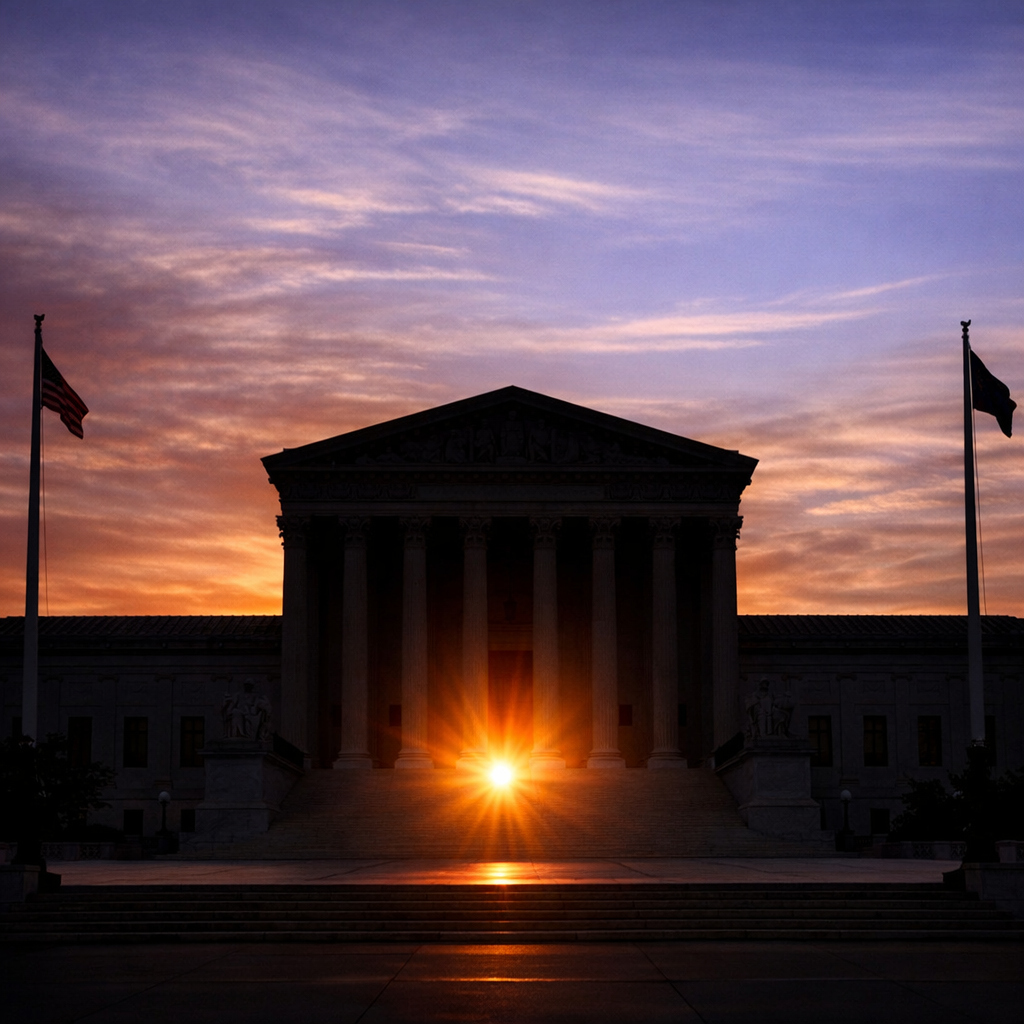
Supreme Court Expands Presidential Power and Key Rights Rulings
In recent rulings, the Supreme Court granted presidents broader power to remove agency heads, overturning precedents that had constrained executive reach over independent regulatory bodies. These decisions are likely to shift how fully independent many federal agencies remain in practice.
Other major rulings reaffirmed protections such as birthright citizenship and limited how immigration relief programs, including Temporary Protected Status for Haitians and Syrians, can be ended by executive order. Voting rights laws also saw significant reinterpretation, with potential impacts on how states draw political districts.
Media Access, Free Speech and Polarization Intensify
The relationship between national leaders and the media has evolved into a battleground. The White House has recently restricted access for several media outlets, invoking national security and claims of professional misconduct. Critics argue such moves threaten news transparency and public trust.
Meanwhile, rhetoric on both sides of the political aisle characterizes opponents in terms that heighten fear and division—terms like “communism,” “threat,” or “enemy” are increasingly common, especially in the lead-up to upcoming midterm elections.
Immigration Rulings and Protections Under Scrutiny
Supreme Court decisions have allowed Trump administration moves to end certain legal protections for immigrants from countries under Temporary Protected Status, overturning lower court rulings. The legal landscape for immigrant rights is becoming more precarious, especially for those depending on temporary status.
At the same time, more established protections remain in force—such as guaranteed birthright citizenship, reaffirmed in key court rulings. Still, executive orders affecting immigration policy continue to draw legal challenges and public attention.
Looking Ahead: What to Watch Closely
- Policy battles over inflation control and federal budget priorities—near-term economic resilience hinges on these.
- The repercussions of Supreme Court rulings will play out in future regulations, judicial appointments, and state-level legal challenges.
- Media access restrictions and free speech controversies may force new legal and legislative boundaries around rights and government transparency.
- Immigration policies will remain both legally contested and politically charged as the nation seeks a balance between rule of law, humanitarian concerns, and national priorities.
These developments don’t just make headlines—they shape daily life in places like Roseville and beyond. What feels remote in Washington today often becomes local law or policy tomorrow. Staying aware can prepare us for change, not just react to it.