

By Ava Kim
Ubiquitous AI: More Than Just Sci-Fi
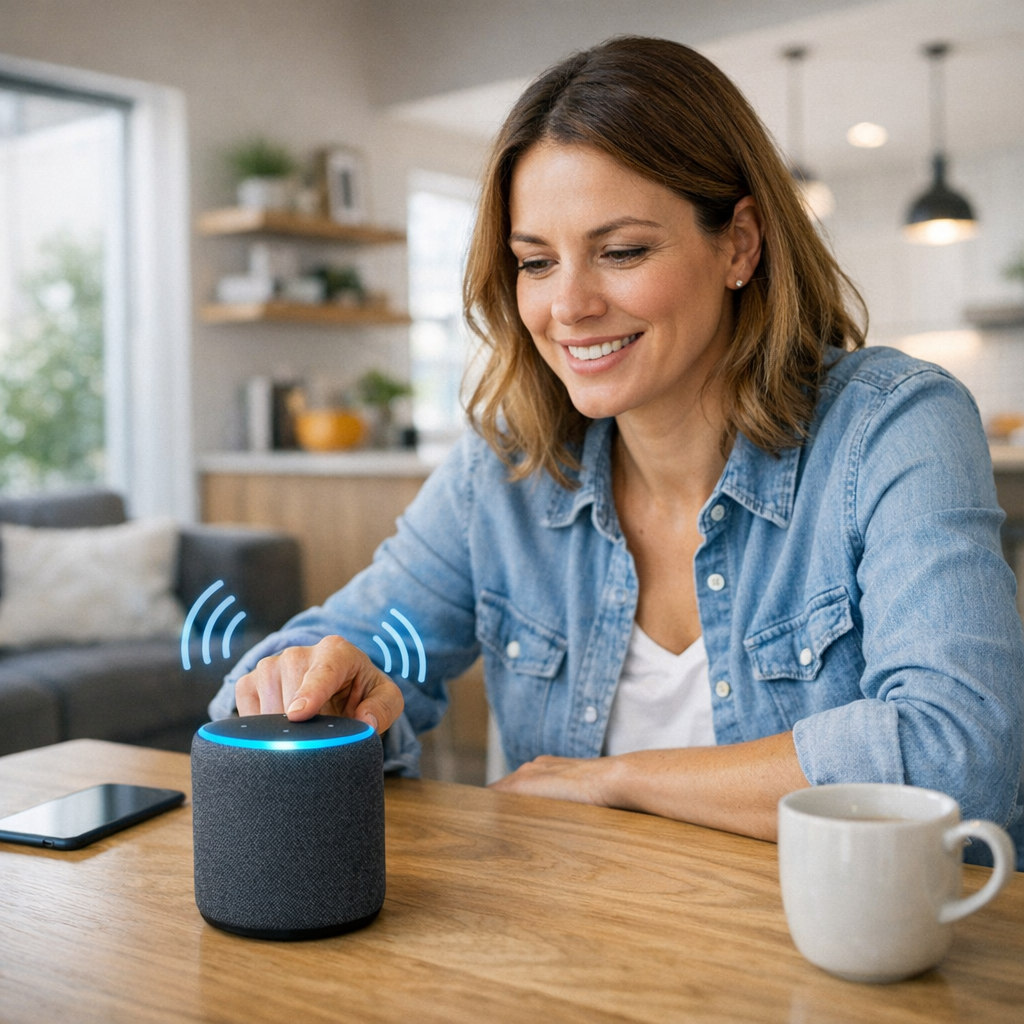
You might not notice it, but AI has already settled into everyday life in Roseville. Voice assistants in our phones and homes, recommendation engines on streaming services, smart devices in cars—these are all powered by AI in routines large and small. These systems help with reminders, route directions, curating news and media, and sometimes even assisting with workouts or sleep patterns. These aren’t just novelties—they’re tools many people engage with daily. Studies show devices like smart speakers, wearables, and personalized apps are now part of the routine for a growing number of Americans. (Pew Research, 2026)
Smart Gadgets: Useful—but with Trade-offs
In tech shops and online, AI gadgets are everywhere—from health trackers that catch subtle changes in heart rate to smart home sensors that adjust lighting or temperature when you enter a room. While these can add comfort or save energy, they also raise questions: What data is being collected and how—is it stored securely? Who owns your voice recordings? Many experts recommend choosing devices with strong local-processing features and transparent privacy controls to avoid surprises.
Roseville’s Tech Landscape: Startups, Infrastructure, and Local Policy
Roseville isn’t just consuming technology—it’s part of building it. Financial tech firms, for example, have a presence here, especially those working with solar energy financing. The city’s strategic technology plans emphasize upgrading infrastructure, improving city digital services, and supporting innovation hubs and startups. These policies help ensure that the benefits of evolving tech are accessible across neighborhoods, not just in the more tech-savvy sections of town.
How Roseville Residents Can Stay Informed and Benefit
- Ask questions when you buy tech: What are the privacy settings? What are the update policies?
- Support local tech meetups or entrepreneurial groups to keep pace with what’s being developed here.
- Advocate for city policies that demand transparency from tech firms and equitable access—so AI tools don’t widen gaps in quality of life.
Looking Forward
AI won’t slow down—it will continue pushing into what were once mundane parts of life. In Roseville, that could mean more devices with embedded AI, smarter city services that adapt to resident needs, and newer startups tackling real local challenges: traffic flow, energy usage, public safety. The opportunity is real—but how we manage privacy, equity, and trust will shape whether these tools help us live better, not just more connected.